Can Asphalt Repairs In NY Be Done in Rainy Weather?
Damage can plague even the best-maintained and well-built asphalt surfaces. Whether you're dealing with large cracks or sudden potholes, asphalt repair companies recommend getting professional service as soon as possible to mitigate the risk of further damage. However, there's one thing that could halt repair service. Rainy conditions aren't ideal for asphalt repairs in NY, but what's the worst that could happen if contractors attempt to work in the rain?
Can Contractors Do Asphalt Repairs in NY When It's Raining?
There are some ways that contractors can work around inclement weather. For instance, cold-patching materials and specialty compounds are available. However, these asphalt repairs aren't permanent. To perform a true, permanent fix, contractors must wait until the weather clears. Long-lasting asphalt repairs in the rain are not possible. It's far too risky, and reputable asphalt repair companies will not attempt it.
Rain is asphalt's biggest enemy. While properly constructed surfaces can resist water penetration and all the bad that comes with it, damage invites it in. Because common asphalt repair techniques require exposing the surface and its foundation, conducting repairs in the rain is asking for trouble.
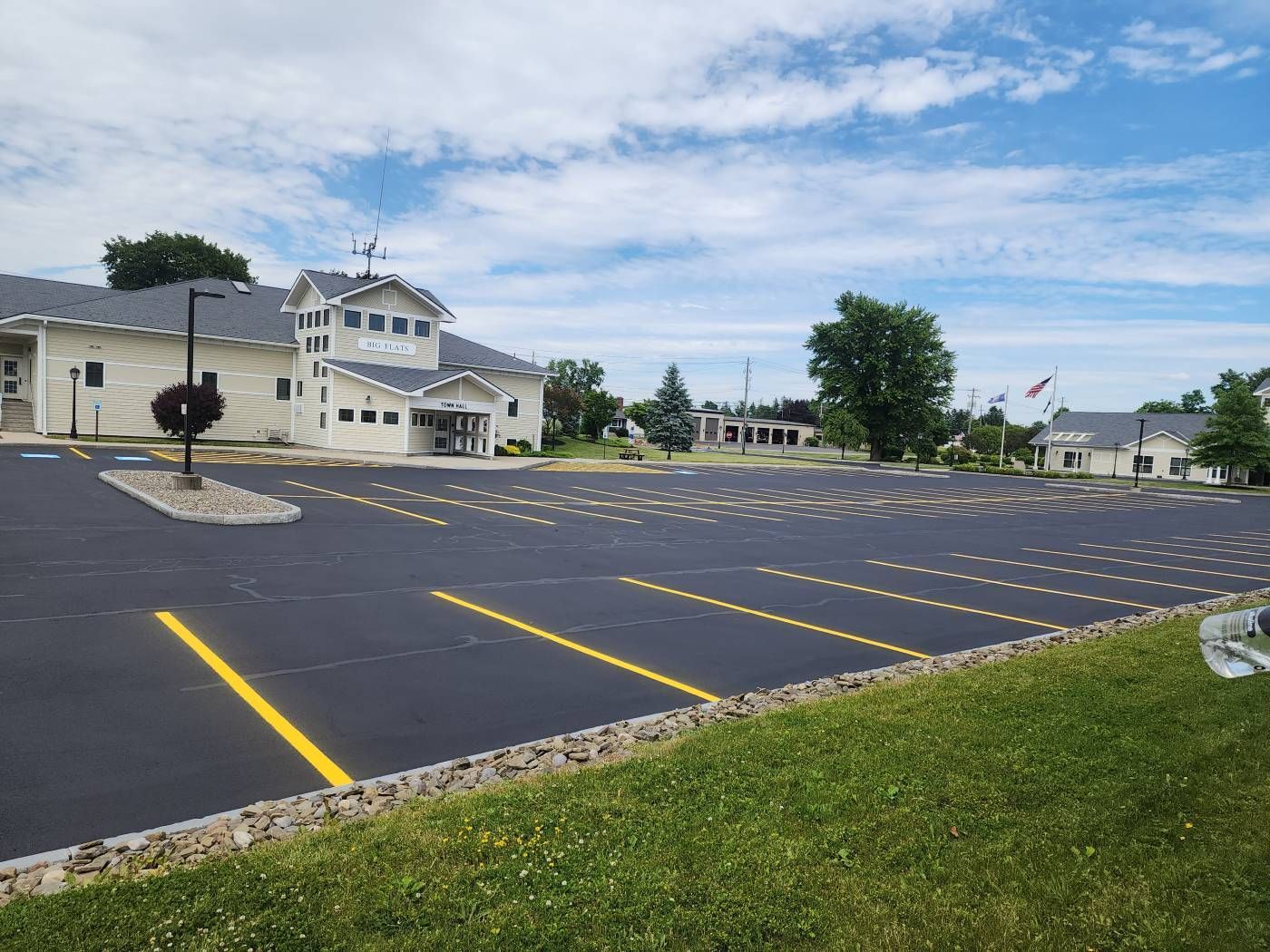
How Can Doing Asphalt Repairs in NY During Rainy Conditions Lead to Bigger Problems?
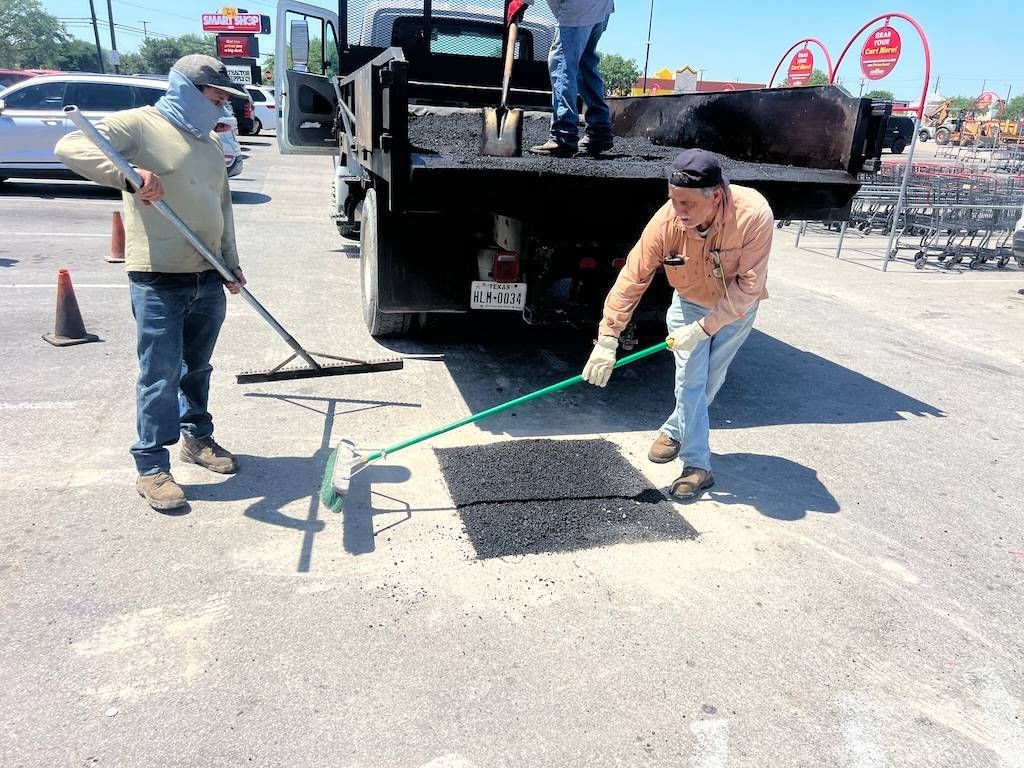
Asphalt repair professionals don't work in the rain because it exposes the pavement and its foundation to water. There are many ways to perform repairs. However, whether contractors use asphalt crack filler or do an asphalt patch, these techniques often require some light destruction. For example, mending cracks may involve routing the voids to maximize filler contact. Meanwhile, asphalt patching requires removing pavement material, sometimes down to the foundation.
Whatever the case, working in the rain allows water to seep into the foundation layers, potentially leading to subgrade erosion and subbase damage. Water can wash the soil away, weakening the asphalt patch above. Sometimes, water left behind may freeze and expand in the winter, resulting in new potholes, asphalt patching failure, structural integrity issues, etc. The risks are far too great. Therefore, experienced contractors will wait until conditions are warm and dry to do asphalt patching, use asphalt crack filler, and complete other repairs.
Can Rain Ruin the Finish of New York Asphalt Repair Work?
Another issue with doing New York asphalt repair in the rain is that it can interfere with curing. All the products that contractors use to perform asphalt repairs contain a considerable amount of oil. Asphalt crack filler, asphalt patch compounds, and new hot asphalt all contain bitumen, a petroleum byproduct. Bitumen is the basis of asphalt paving, so asphalt patching and repair products contain it.
Oil and water don't mix, and finished asphalt repairs need time to cure. Rain prevents the repair compounds from curing properly. Rainfall causes the oil to rise to the surface, resulting in cracks, craters, holes, and other unsightly finishing issues. Worst of all, water's interference in the curing process results in a weak repair. Asphalt patching or crack-filling may hold temporarily, but the rain will cause it to falter sooner instead of providing the permanent fix you need.
NWS House Washing And Asphalt Seal Coating is ready to tackle all your New York asphalt repair needs! We've served countless clients like you, developing asphalt repair solutions that improve aesthetic appeal, safety, and overall integrity. From simple crack-filling to more extensive asphalt patching, our team can deliver the results you're looking for. We're among the premier asphalt repair companies providing service to property owners and managers in southern New York and Northeastern Pennsylvania. You can turn to us for asphalt repair, sealcoating, power washing, parking lot striping, and more. No matter your needs, you can expect top-quality results and reliable customer service.
Get your free quote today by calling NWS House Washing And Asphalt Seal Coating at (570)423-3614. You can also use our online form or email nws@usa.com to get in touch.