Can You Sealcoat a Cracked Driveway?
If your driveway has cracks, potholes or other damage, you may wonder, can you sealcoat a cracked driveway? Damaged areas must be repaired before applying sealcoating to protect the pavement and get the best performance from the sealant. Not filling cracks before sealcoating weakens the coating and can allow water to penetrate the pavement and foundation.
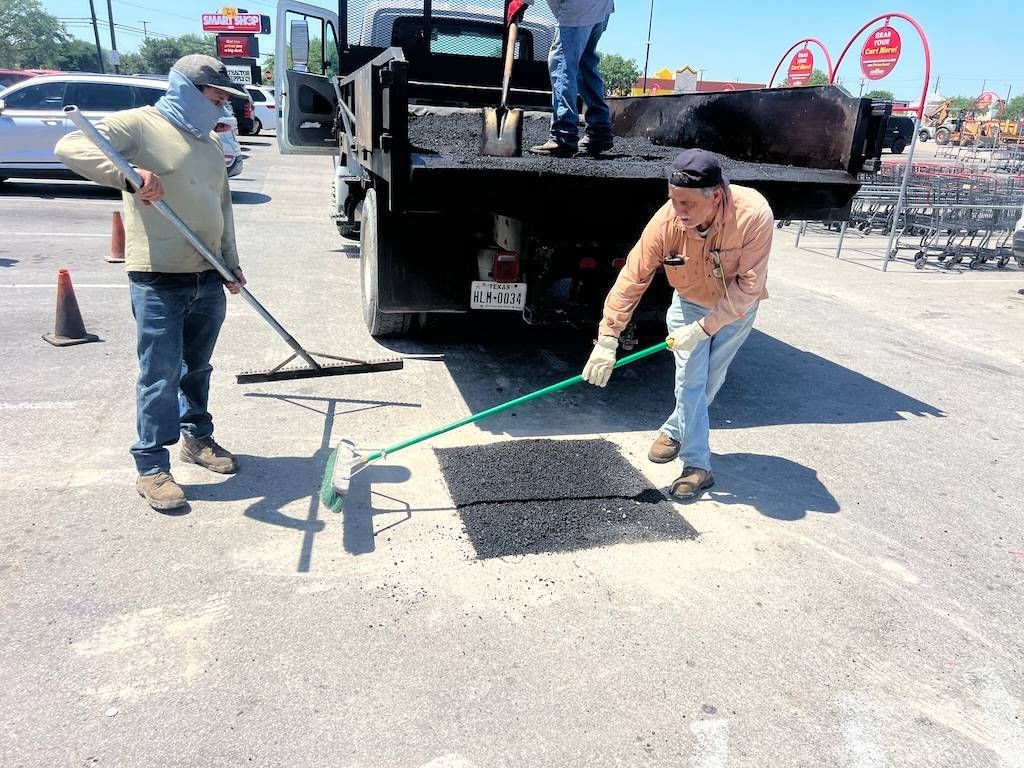
To protect your driveway, call a professional driveway repair specialist to evaluate your pavement and recommend effective treatment. Many cracks, potholes and gaps can be repaired and then sealed, which will refresh the driveway and add years to its service life.
The trained crew at NWS House Washing and Asphalt Sealcoating have years of experience working in the Twin Tiers region. We understand how weather, wear and tear and lack of maintenance can speed up driveway deterioration. Our crack sealing services will get your pavement ready for sealcoating. Repairing cracks and sealcoating your driveway can extend its service life for years. Experts note that each dollar spent on preventive maintenance saves between $6 and $14 in later repair costs to rectify poorly maintained pavement.
Sealcoating and Cracks: The Reality
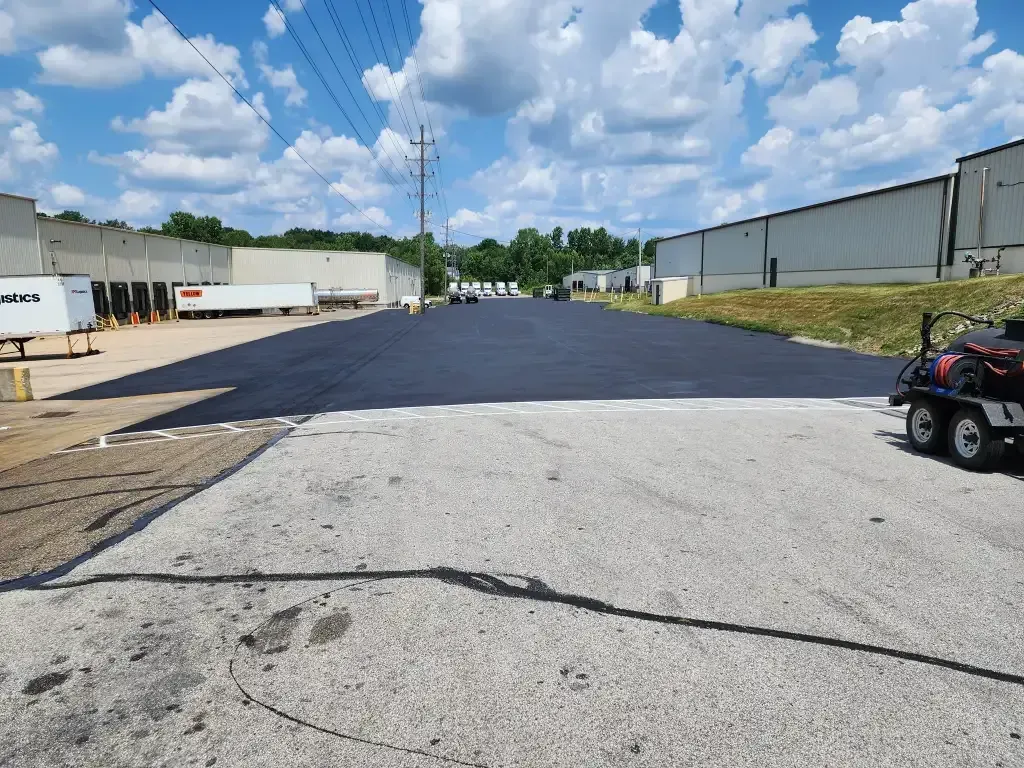
Sealcoating creates a smooth, impermeable membrane over pavement and protects it from moisture, ultraviolet radiation and oil and chemical spills. Sealcoating should be applied to a clean, dry surface for long-term performance. The driveway must be in good condition for sealcoating to do its job. Sealcoating over a well-prepared pavement creates a smooth, attractive surface.
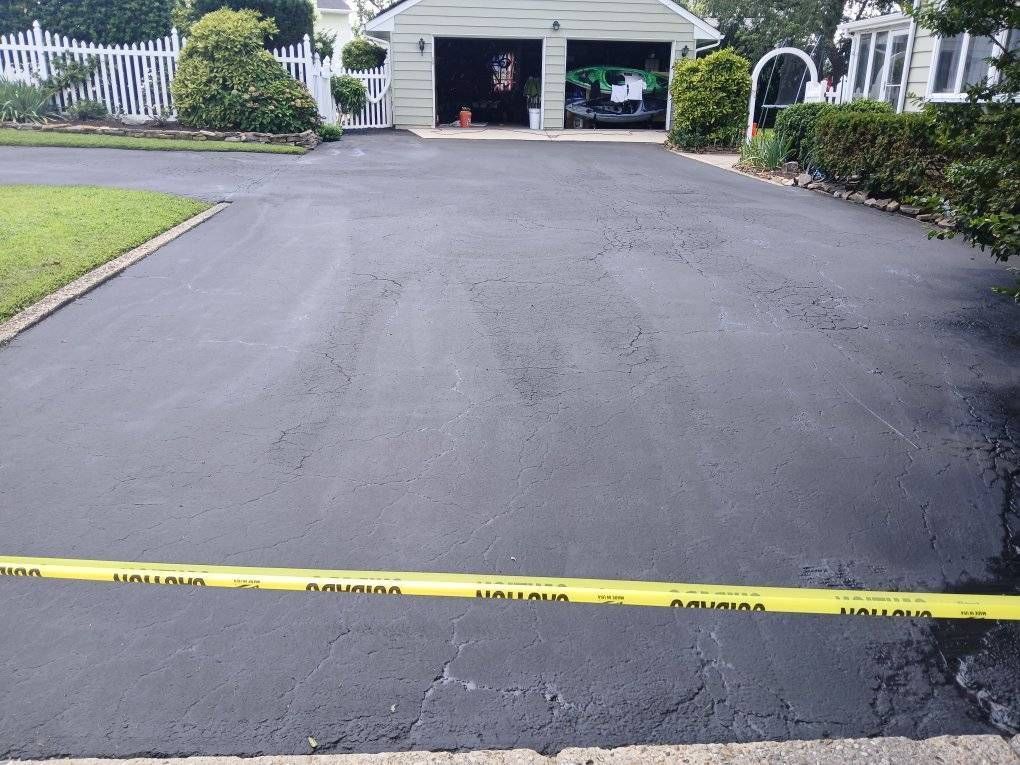
Sealcoating can be applied over small fissures and hairline cracks in the pavement that are less than ¼-inch wide. However, sealcoating does not repair these cracks. They will be visible through the coating. Sealcoating is not designed to fill large gaps, cracks, potholes, crevices or other imperfections in a driveway or pavement. Damaged areas must be filled and cured before applying sealant.
If the pavement is damaged, sealcoating cannot form a moisture-proof barrier. Moisture that penetrates the asphalt can cause cracks to expand. During the winter, freeze-thaw conditions can damage the substrate. If cracks are not repaired, they can develop into potholes, which speeds up pavement deterioration. Potholes create an uncomfortable surface for vehicular traffic. If they are deep, they can damage vehicles and create a safety hazard for pedestrians.
Does Sealcoating Fill Cracks?
Sealcoating does not fill cracks. Although it can be applied over hairline cracks, it does not fill them. Structural cracks greater than ¼-inch wide should be filled with asphalt crack filler or crack sealant. When cracks are properly repaired, sealcoating will be effective because it can form a tight membrane over an even surface.
In the winter, asphalt contracts, which widens cracks. In the summer, it expands, which closes cracks. Crack repair materials must be flexible enough to expand and contract as temperatures change. Professionals use techniques such as routing to fill large cracks. They also select appropriate materials, such as
crack sealer and crack filling, to ensure gaps are well-sealed.
The Role of Crack Fillers
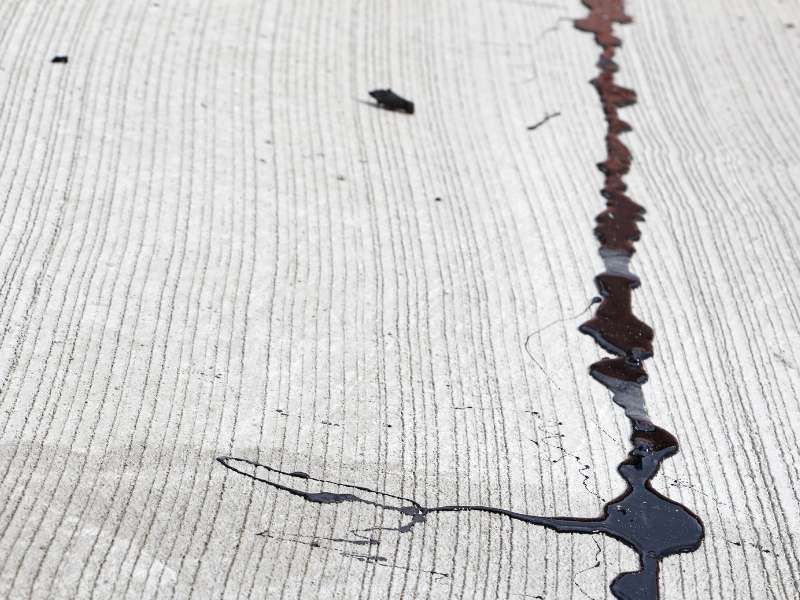
Your contractor may choose crack sealer or crack filler as a medium of repair. Crack sealing material fills the cracks to prevent further damage, provide a safe, usable surface and protect the pavement and substrate from water infiltration and freeze/thaw cycles.
Crack sealer bonds to the side of the crack and prevents moisture and debris from entering the hole. Crack sealant moves with the pavement as it expands and contracts. It remains flexible at low temperatures and stable at high temperatures, ensuring the pavement remains protected and intact during the seasonal changes experienced in the Twin Tiers area. It is usually applied to small cracks between ¼-inch and 1 ½-inches wide.
Crack filling does not bond to the sides of the hole. Instead, materials are compressed into the void. Although crack filling reduces the amount of water that infiltrates the pavement, it does not have the flexibility of crack sealant. As the pavement moves during temperature fluctuations or use, gaps can occur at the edges of filled cracks, allowing water and debris to infiltrate and percolate into the substrate. Crack filling does not provide the same level of protection as crack sealing. However, crack filling reinforces adjacent pavement and is used for more robust repairs.
Several kinds of crack filler are available, including emulsified filler, mastic filler that contains fine aggregate and hot-mix fiberized filler. Each has advantages. Selection of filler material is based on the depth and width of the crack, the amount of movement of the pavement and intensity of use.
After repairing cracks, the driveway must be clean and dry before sealcoating. Sealcoating is recommended by industry experts to provide long-term protection from UV damage, moisture, sunlight, chemicals and wear. It protects treated cracks from re-cracking and prevents further deterioration.
Best Practices for Sealcoating Over Repaired Cracks
Repairing cracks before sealcoating is a must. Professional assessment of the condition of the pavement will determine the method of repair and materials required to achieve the best results. For successful crack repair, the void must be clean and dry. Filling material should be applied as soon as the crack is prepared.
Routing is often the first step in repairing cracks. Routing prepares the sidewalls and ensures the surfaces are clean. In addition, routing creates a defined reservoir that holds a calculated amount of crack sealant that accommodates thermal movement in hot and cold weather.
In the Twin Tiers region, crack sealing during the spring and fall achieves better results because the cracks are in a neutral state. In the summer, they will be smaller as the pavement swells. In the winter, cracks widen as the pavement contracts. After repairs, the crack filling must dry before sealcoating. A stable, dry pavement enhances the performance of sealcoating.
The professional crew at NWS House Washing and Asphalt Sealcoating will come to your home or business and evaluate the condition of your pavement. We offer crack sealing, pothole repair, pavement smoothing and sealcoating. We recommend industry-standard procedures and use commercial materials to repair your driveway. After repairs, we inspect the pavement to confirm that the filler has cured and the pavement is suitable for sealcoating.
We provide free estimates. If you are still asking whether you can sealcoat a cracked driveway, call today for more information. Our technicians will be happy to discuss the importance of repairing your driveway before sealcoating. We offer customized solutions for asphalt pavement repair, pothole repair, crack repair and pavement sealcoating.